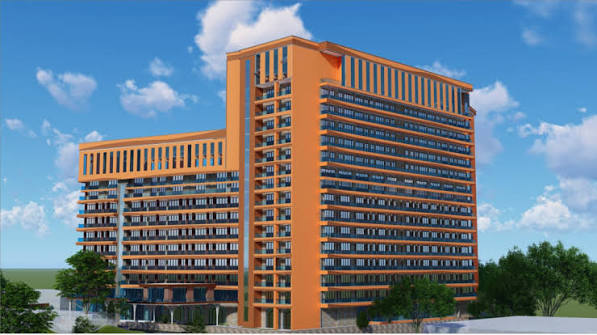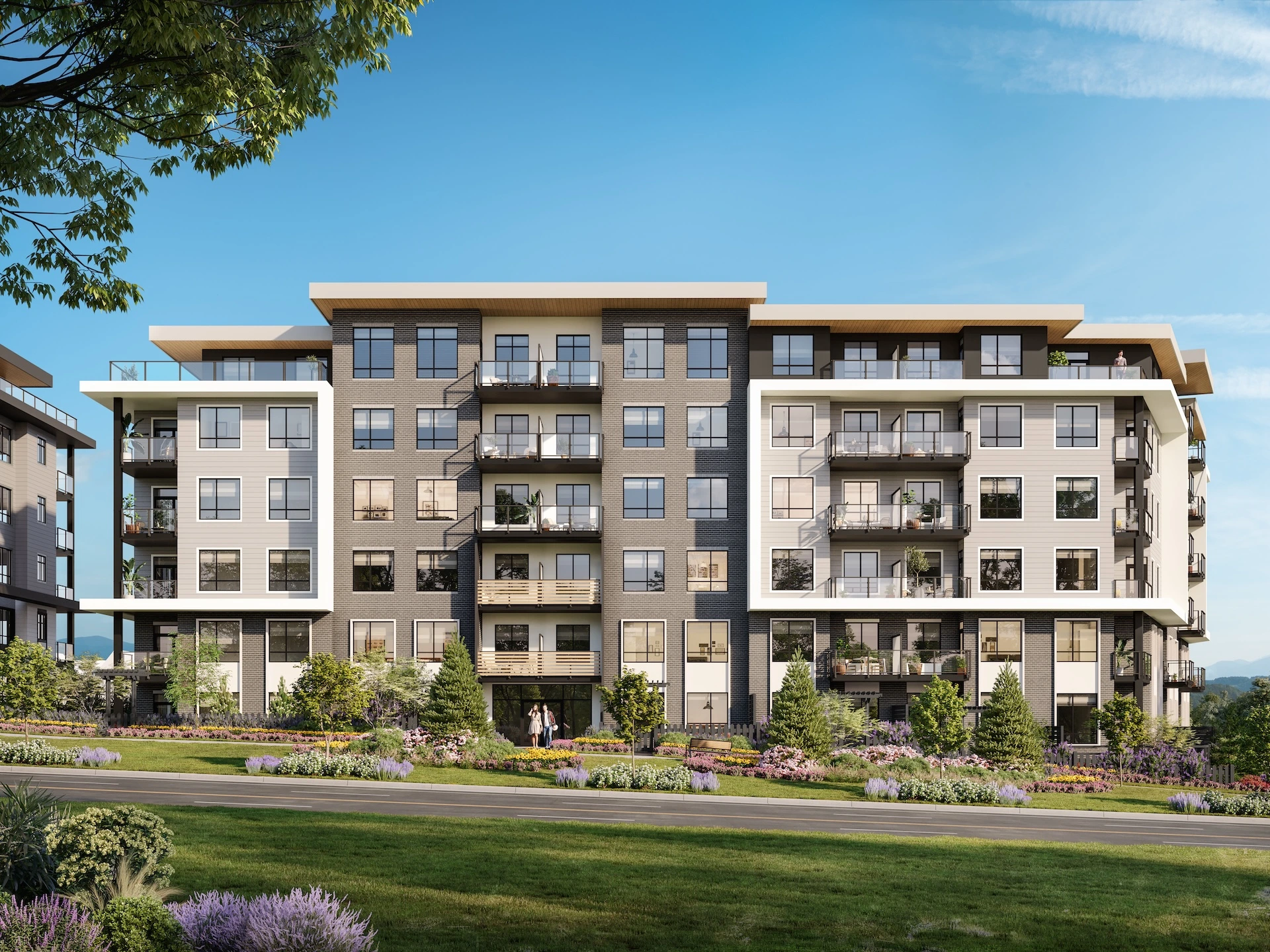
Urban living in Uganda is evolving at a rapid pace. Cities like Kampala are expanding, land is becoming scarce, and traditional housing solutions can no longer meet the growing demand. Condominiums, once considered a niche option, are now emerging as practical, modern, and investment-friendly solutions for Uganda’s urban population. But what makes condos attractive, and what challenges lie ahead?
Urbanization Driving Housing Demand
Uganda is urbanizing at an estimated rate of 5–5.4% annually, creating a significant housing deficit. Millions of urban residents are seeking affordable, secure, and well-located homes.
Condominiums offer multiple residential units on a single plot, combining efficiency with modern living. They appeal particularly to middle-class professionals, young families, and diaspora returnees who value convenience, security, and shared amenities over land ownership.
Land Scarcity and the Case for Vertical Living
In prime urban areas, land prices are rising, making detached houses less viable. Condominiums provide a solution by building vertically, allowing more units on limited land.
This vertical model reduces land costs per unit while offering shared amenities such as parking, security, and recreational facilities, making urban living more accessible and attractive.
Investment Potential and Rental Opportunities
Condominiums are not just for homeowners—they are attractive to investors. Expatriates, diplomats, and returning diaspora create a steady rental demand.
Mixed-use developments and serviced apartments, which integrate residential, commercial, and leisure spaces, further enhance investment opportunities. These developments offer lifestyle convenience for tenants and strong returns for investors.
Challenges to Condominium Growth
Despite the potential, several challenges may affect the growth of condos in Uganda:
- Affordability: Many condos are priced beyond the reach of average Ugandans, limiting access.
- Regulatory Complexity: Land tenure systems and property management regulations can complicate ownership and management.
- Market Mismatch: Over-investment in luxury condos may result in high vacancy rates if demand is overestimated.
Developers must balance ambition with market realities, focusing on quality, pricing, and legal clarity.
Future Outlook
The long-term prospects for condominiums in Uganda remain strong, particularly for mid-range developments targeting middle-income earners and rental markets. Key growth drivers include:
- Urbanization and persistent housing shortages.
- Improved infrastructure and connectivity in suburban areas.
- Rising investor demand for rental income from expatriates and professionals.
By prioritizing affordability, quality, and proper property management, condominiums can provide sustainable housing solutions while offering attractive returns.
Conclusion: A Housing Solution for Uganda’s Urban Future
Condominiums offer a modern, efficient, and investment-friendly solution to Uganda’s urban housing challenges. While there are risks, such as affordability gaps and regulatory hurdles, the market potential is significant. Developers and investors who understand market trends and target the right segments are well-positioned to benefit.
Ready to explore condominium investments in Uganda? The future of urban living in Uganda is vertical, and the opportunity is now.